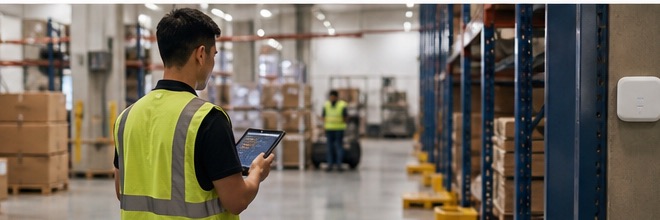
Every project we take on starts the same way: understand the environment, the people using it, and the systems already in place before recommending anything. For Wi-Fi, that starts with measurements and an interference review, then looks at how people move through the property. For office networks, the review goes deeper — computer and network logs, the software the company depends on, and how files, internet, and vendors behave day to day. Equipment gets matched to the environment, not the other way around.
25+ years in network engineering · 200+ businesses & homes served · 5.0★ on Google · Owner-operated in Los Angeles
Project types we do often
Wi-Fi redesigns
One of our strongest project types. Good design depends on measurements, layout, materials, user behavior, and the number of devices expected in each area — a home, an office, a warehouse, and a hotel all need different planning. We look at coverage, roaming, interference, and long-term supportability before recommending equipment. Typical result: fewer dead zones, more consistent performance, and a network that is easier to monitor and support.
Office network cleanup
More than replacing a router. We review logs, equipment, workflows, and the recurring issues underneath them. The final recommendation may include better documentation, firmware cleanup, switch replacement, firewall review, cabling cleanup, Microsoft 365 or Google Workspace adjustments, backup improvements, or a phased equipment plan. Typical result: fewer recurring issues, clearer ownership, and technology that fits the way the company works.
Fiber internet upgrades
Fiber can improve productivity almost immediately when the rest of the network is ready for it. We help clients evaluate fiber options, provider handoffs, router and firewall readiness, failover planning, and whether the internal network can take advantage of the faster connection. Typical result: faster cloud access, stronger upload performance, and a solid foundation for future technology.
Conference room deployments
The details matter: how people schedule and run meetings, the room itself — size, lighting, acoustics — and the camera, audio, and training that make it work day after day. The goal is a room the team can use without panic before every meeting. Typical result: cleaner meetings, better audio and video, and a team that understands the system.
Security camera planning
Cameras belong where they are needed, but placement, storage, and privacy deserve a plan first. We can help review whether UniFi Protect or another system fits the property. Typical result: better visibility, reliable recording, and no surprises around storage or access.
Emergency outage response
When the internet goes down, the backup plan matters most. We travel with routers, switches, 5G internet equipment, and modems — and for clients who keep backup equipment onsite, service can be restored even faster. In critical environments we can keep phones, email, and basic cloud systems functional on a temporary 5G router while the physical connection is repaired; in some locations Starlink is an option too. Typical result: less downtime and a clearer recovery plan for the next outage.
What these projects have in common
- Measurements before decisions
- Equipment matched to the environment
- Less unnecessary replacement — good gear you already own stays
- Faster recovery when something breaks
- Cleaner documentation than what was there before
- Training for the people who use the system every day
- A network that is easier to support later
Read the full case studies
- Luxury Home Wi-Fi Redesign
- Architecture Firm File Server Migration
- Fiber Internet Upgrade
- Conference Room Deployment
- Retail Store Grand Opening
- Emergency Internet Outage Response
One of these sounds familiar? A Technology Blueprint assessment confirms what is happening in your environment before we recommend any work.